Understanding Motor Performance in Speed Pedelecs

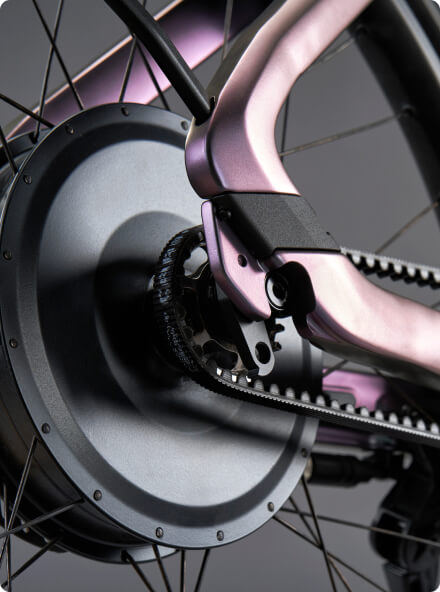
Motor performance is the heart of speed pedelec behavior—how torque, power delivery, sensor feedback, and controller tuning interact determines acceleration, efficiency, and rider experience. In this article the key factors that influence motor performance are broken down so you can better understand, compare, and optimize your ride.
1. Torque vs. Power
– Torque determines how quickly the bike can accelerate from a stop or climb hills; power is torque over time. High torque gives immediate responsiveness, while sustained power affects top-end speed and maintaining pace.
2. Sensor Types and Feedback
– Torque sensors measure the force you apply and scale assistance proportionally for natural feel. Cadence sensors detect pedaling speed and often add fixed assistance. Mid-drive systems typically integrate more advanced torque sensing, resulting in smoother power delivery.
3. Controller Tuning and Efficiency
– The electronic controller governs how motor output is modulated. Well-tuned controllers balance responsiveness with energy efficiency, avoiding abrupt spikes that waste battery or cause instability.
4. Heat Management
– High performance stresses motor and controller components, generating heat. Good motor design, adequate cooling (e.g., vents or heat-dissipating housings), and intelligent software limiting peak output when temperatures rise preserve longevity.
5. Real-World Performance Metrics
– Rider weight, terrain, speed, and assist level all shift perceived performance. Benchmarks like watts per kilogram, throttle response time, and consistency under load are useful comparisons.